

Smart Surveillance Systems
Modern Intelligent Security Monitoring
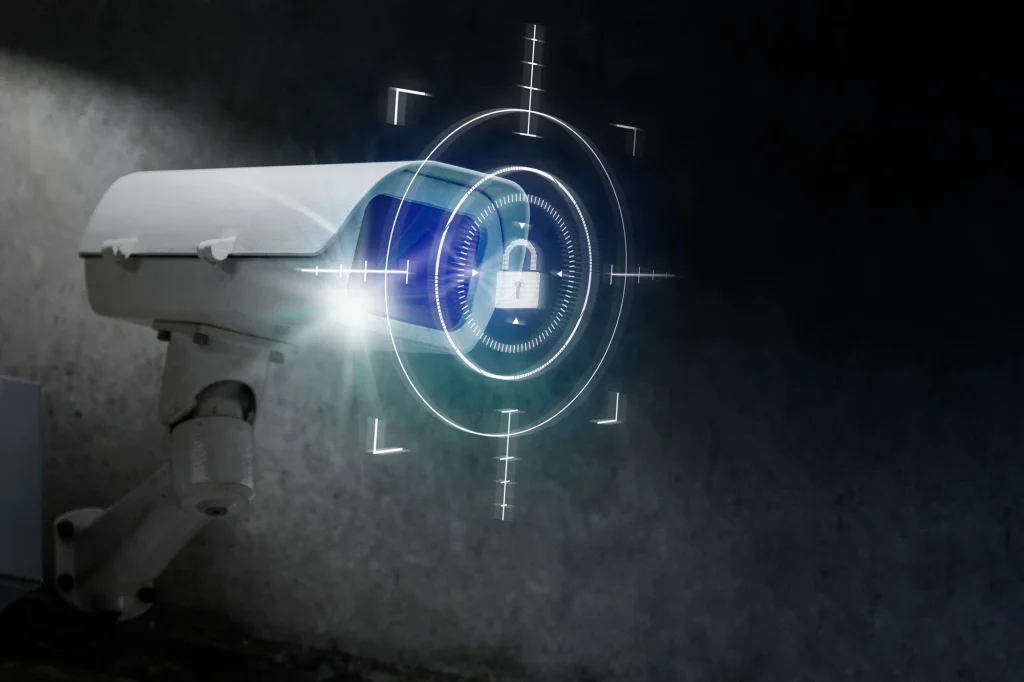
Smart surveillance systems are advanced security solutions that combine cameras, sensors, networks, and artificial intelligence to monitor places automatically.
They help detect risks early, reduce human errors, and provide better safety in cities, businesses, and public spaces.
What Are Smart Surveillance Systems?
Smart surveillance systems are more than simple CCTV cameras that just record video.
They can analyze video in real time, recognize people or objects, and alert security teams when something unusual happens.
These systems can work in malls, offices, factories, airports, streets, and smart cities.
They are often connected to cloud or edge platforms for storage, analysis, and centralized control.
Main Technologies Used
1. Smart Cameras and IoT Devices
Modern IP cameras can send high‑quality video over networks and connect to the internet.
Some cameras have built‑in processors to run basic analytics like motion detection or object counting.
IoT sensors, such as door sensors, motion detectors, and environmental sensors, can work together with cameras.
This creates a complete picture of what is happening in the monitored area.
2. AI and Video Analytics
AI‑based video analytics can detect people, vehicles, objects, and actions in real time.
They can identify suspicious behavior, loitering, crowding, or abandoned objects faster than human operators.
Deep learning models help recognize patterns, detect anomalies, and reduce false alarms.
This makes surveillance more proactive, not just recording events after they happen.
3. Cloud and Edge Computing
Cloud platforms store large amounts of video and run heavy analytics without needing powerful local servers.
This makes it easier to scale the system and manage many cameras from one place.
Edge computing processes video near the camera or on local devices to reduce delay and bandwidth usage.
A mix of edge and cloud allows faster responses and more efficient use of network resources.
Key Benefits for Organizations and Cities
1. Better Security and Faster Response
Smart surveillance can send instant alerts when it detects unusual behavior or security incidents.
Security teams can see the exact location and camera view, so they can respond quickly.
This reduces reaction time and can help prevent theft, vandalism, and other crimes.
It also supports evidence collection with clear video clips and event logs.
2. Reduced Manual Monitoring and Human Error
Traditional CCTV requires people to watch many screens for long hours, which is tiring and inefficient.
Smart systems monitor video automatically and only highlight important events for operators.
This reduces workload, limits missed incidents, and lets staff focus on decision‑making instead of constant watching.
It also lowers the overall cost of 24/7 monitoring.
3. Operational Insights and Smart City Uses
Video analytics can show heat maps, crowd flows, and behavior patterns in public or commercial spaces.
Businesses can use this data to improve store layout, staffing, and customer experience.
Cities can use smart surveillance to manage traffic, monitor public areas, and support emergency management.
This helps improve safety, mobility, and quality of life in urban environments.
Privacy, Ethics, and Good Practices
Smart surveillance systems must respect privacy and follow local laws and regulations.
Clear policies about where cameras are used, how long data is stored, and who can access it are very important.
Data should be protected with encryption, access control, and secure storage.
Organizations should be transparent with the public and train staff on ethical and legal use of surveillance data.
Table: Types of Smart Surveillance Systems and Their Features
| Type / Technology | Main idea and typical use |
|---|---|
| IP / Smart Cameras | Network cameras with basic built‑in analytics and remote access. |
| AI Video Analytics | Detect people, vehicles, and anomalies automatically in live video. |
| IoT‑Integrated Systems | Combine cameras with sensors for doors, motion, and environment. |
| Edge‑AI Solutions | Process video near the camera for low latency and less bandwidth use. |
| Cloud‑Based Platforms | Store and analyze video in the cloud with centralized dashboards. |
| Smart City Surveillance | Monitor streets, public places, and traffic for safety and flow management. |
| Retail and Industry Use | Prevent theft, monitor worker safety, and analyze customer behavior. |
| Access Control Integration | Link cameras with gates, doors, and ID systems for secure entry. |
| Analytics & Reporting | Provide dashboards, heat maps, and incident reports for better decisions. |