

Cloud Computing Security
Protecting Data and Systems in the Cloud
Cloud computing security means keeping your data, applications, and services safe when they run on cloud platforms instead of local servers.
Good cloud security lets businesses enjoy flexibility and lower costs while still protecting privacy, availability, and integrity of their information.
Basics of Cloud Computing and Security
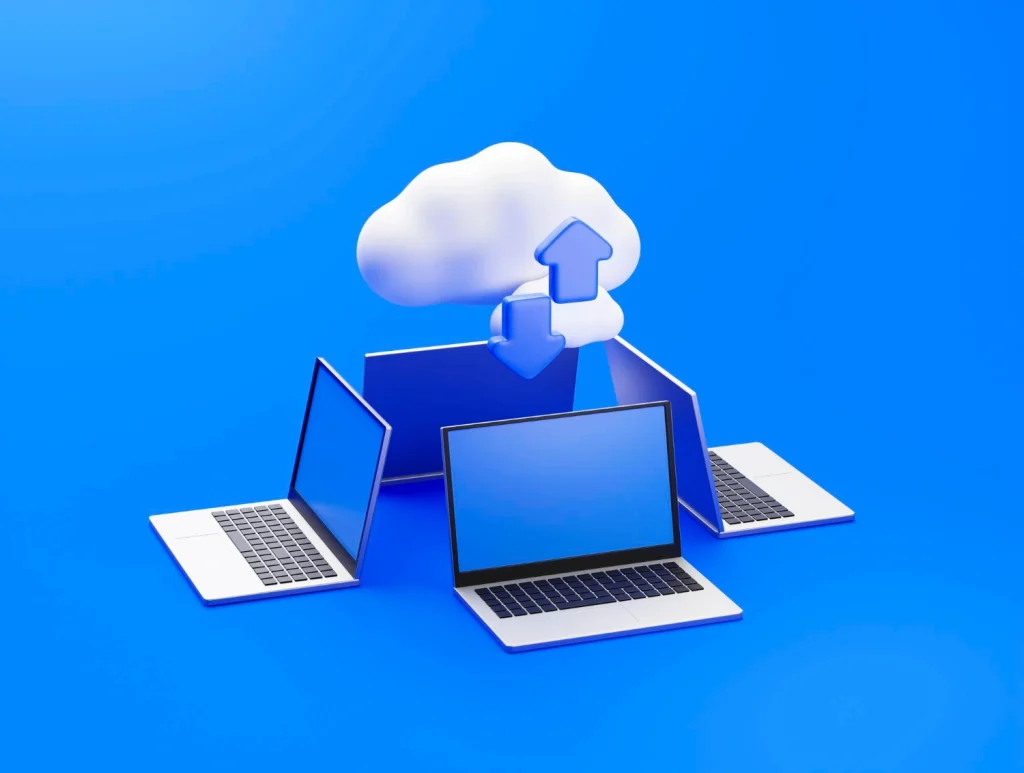
In cloud computing, data and applications are hosted in remote data centers and accessed over the internet.
Because the infrastructure is owned and managed by cloud providers, security becomes a shared responsibility between the provider and the customer.
Cloud services are often grouped into IaaS, PaaS, and SaaS, each with different security tasks for the provider and the client.
Understanding who secures what (network, OS, applications, data) is the first step to building a safe cloud environment.
Key Security Risks in the Cloud
- Unauthorized access to accounts, data, or management consoles through weak passwords or stolen credentials.
- Data breaches caused by misconfigured storage, poor access control, or vulnerabilities in applications.
- Service outages and denial‑of‑service attacks that affect availability of cloud‑hosted systems.
- Insider threats from people who have access to cloud resources but misuse them.
These risks require a combination of technical controls, policies, and continuous monitoring.
Core Security Practices in Cloud Computing
1. Identity and Access Management (IAM)
Strong identity and access management is central to cloud security.
This includes unique accounts, least‑privilege permissions, multi‑factor authentication, and regular review of access rights.
Using roles and groups instead of sharing admin passwords reduces the chance of abuse or mistakes.
Logging and auditing access helps detect unusual behavior early
2. Data Protection: Encryption and Backups
Data should be encrypted both at rest (in storage) and in transit (over the network).
Cloud providers offer built‑in tools for key management, but customers must configure and manage them correctly.
Regular backups and geo‑replication protect against data loss from failures, attacks, or human errors
Clear backup and recovery plans support business continuity if something goes wrong.
3. Network and Application Security
Virtual networks, firewalls, and segmentation help isolate workloads and limit exposure.
Security groups and access lists control which traffic can reach your servers and services.
Applications should follow secure development practices, with regular patching, vulnerability scanning, and web application firewalls where needed.
This reduces the risk of attackers exploiting software weaknesses.
4. Monitoring, Logging, and Incident Response
Cloud platforms provide logs for access, configuration changes, and system events.
Centralizing and analyzing these logs helps detect threats, misconfigurations, and performance issues.
An incident response plan defines how to react to security events in the cloud: who to notify, what to isolate, and how to recover.
Regular drills and improvements keep the plan effective as systems and threats change.
Compliance, Privacy, and Shared Responsibility
Cloud security is also about meeting legal and regulatory requirements for data protection.
Organizations must know where their data is stored, how long it is kept, and who can access it.
The shared responsibility model means the provider secures the cloud infrastructure, while the customer secures how they use it—accounts, data, and configurations.
Clear policies and training help staff use cloud services safely and avoid risky behavior.
Table: Key Areas in Cloud Computing Security
| Area | Role and main idea |
|---|---|
| Shared Responsibility | Provider secures the platform; customer secures data, access, and setup. |
| Identity & Access (IAM) | Control who can do what, where, and when. |
| Encryption & Keys | Protect data at rest and in transit with strong cryptography. |
| Backups & Continuity | Ensure data can be restored after failures or attacks |
| Network Security | Use segmentation, firewalls, and secure connectivity. |
| Application Security | Patch, test, and protect apps against known vulnerabilities. |
| Monitoring & Logging | Collect and analyze events to detect threats early. |
| Compliance & Privacy | Meet legal and industry requirements for data protection. |
| Governance & Training | Define clear rules and educate users on safe cloud usage. |