

Starting Digital Transformation
Practical Steps to Move Your Business into the Digital Future
Starting digital transformation means using technology to improve how your company works, serves customers, and grows.
A clear, step‑by‑step approach helps reduce risk and turn ideas into real results instead of just buzzwords.
Step 1: Understand Where You Are
Begin by assessing your current situation: processes, tools, data, and skills.
Identify pain points such as manual work, data silos, slow approvals, or poor visibility on performance.
Talk to key people in different departments to understand their daily challenges and needs
This creates a realistic starting point and builds early buy‑in for change.
Step 2: Define Clear Goals and Priorities
Digital transformation should support business goals, not technology for its own sake.
Decide what matters most: better customer experience, faster operations, lower costs, or new digital services.
Translate these goals into a small number of measurable objectives and use them to guide decisions.
Focusing on a few priorities avoids wasting time and budget on disconnected projects.
Step 3: Build a Simple Roadmap
Create a phased roadmap that breaks transformation into manageable initiatives.
Start with quick‑win projects that show visible value, like digitizing key processes or centralizing data.
Later phases can include more advanced steps such as analytics, IoT, or automation.
A living roadmap can be reviewed and adjusted as your company learns and grows
Step 4: Choose the Right Technologies
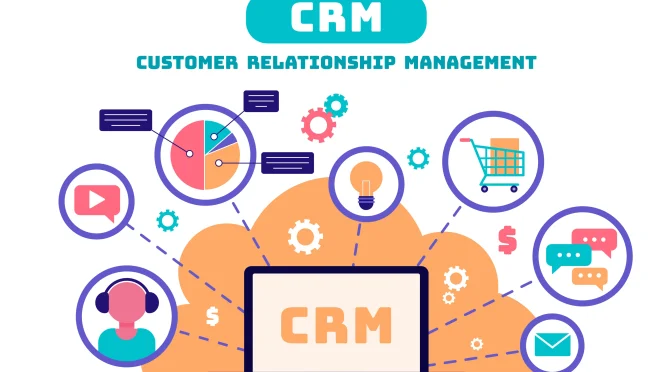
Select technologies that match your goals and size: cloud platforms, ERP and CRM systems, collaboration tools, or IoT solutions.
For small and medium businesses, scalable and modular tools are often the best choice.
Integration is critical: systems should share data instead of creating new silos
Security, reliability, and ease of use must be considered from the start.
Step 5: Prepare People and Culture
Digital transformation changes how people work, not just which tools they use
Communicate the reasons for change clearly and involve employees early in design and testing.
Provide training and support so teams feel confident using new systems.
Recognize and support digital champions who can help others adapt.
Step 6: Start Small, Then Scale
Pilot new solutions in one department, site, or product line before rolling them out widely.
Use the pilot to test assumptions, fix issues, and collect real feedback from users.
When the pilot shows value and stability, scale it to other parts of the business.
This reduces risk and builds confidence step by step.
Step 7: Measure, Improve, and Innovate
Define key metrics such as processing time, error rates, customer satisfaction, or revenue from digital channels.
Track them regularly to see whether your transformation projects are working
Use what you learn to refine processes, add new features, or stop what does not add value.
Digital transformation is a continuous journey, not a one‑time project.
Table: Key Steps to Start Digital Transformation
| Step | Main idea and focus |
|---|---|
| 1. Assess Current State | Map processes, tools, and pain points. |
| 2. Set Goals & Priorities | Link digital projects to clear business objectives. |
| 3. Create a Roadmap | Plan phased initiatives and quick wins |
| 4. Select Technologies | Choose scalable, secure, and integrated tools. |
| 5. Prepare People | Communicate, train, and support cultural change. |
| 6. Pilot and Scale | Test solutions small, then expand. |
| 7. Measure & Improve | Track KPIs and continuously refine. |