SSL Security Certificates
Building Trust and Protection for Your Website
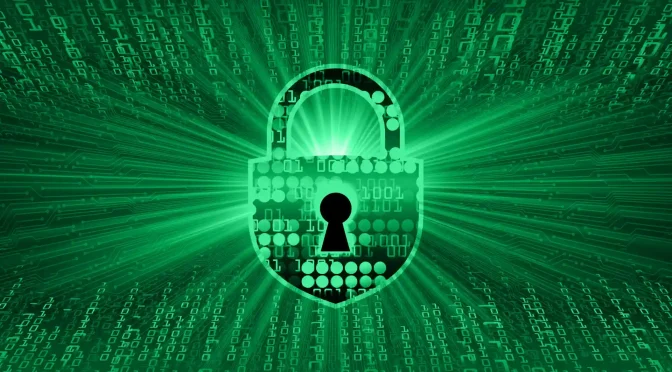
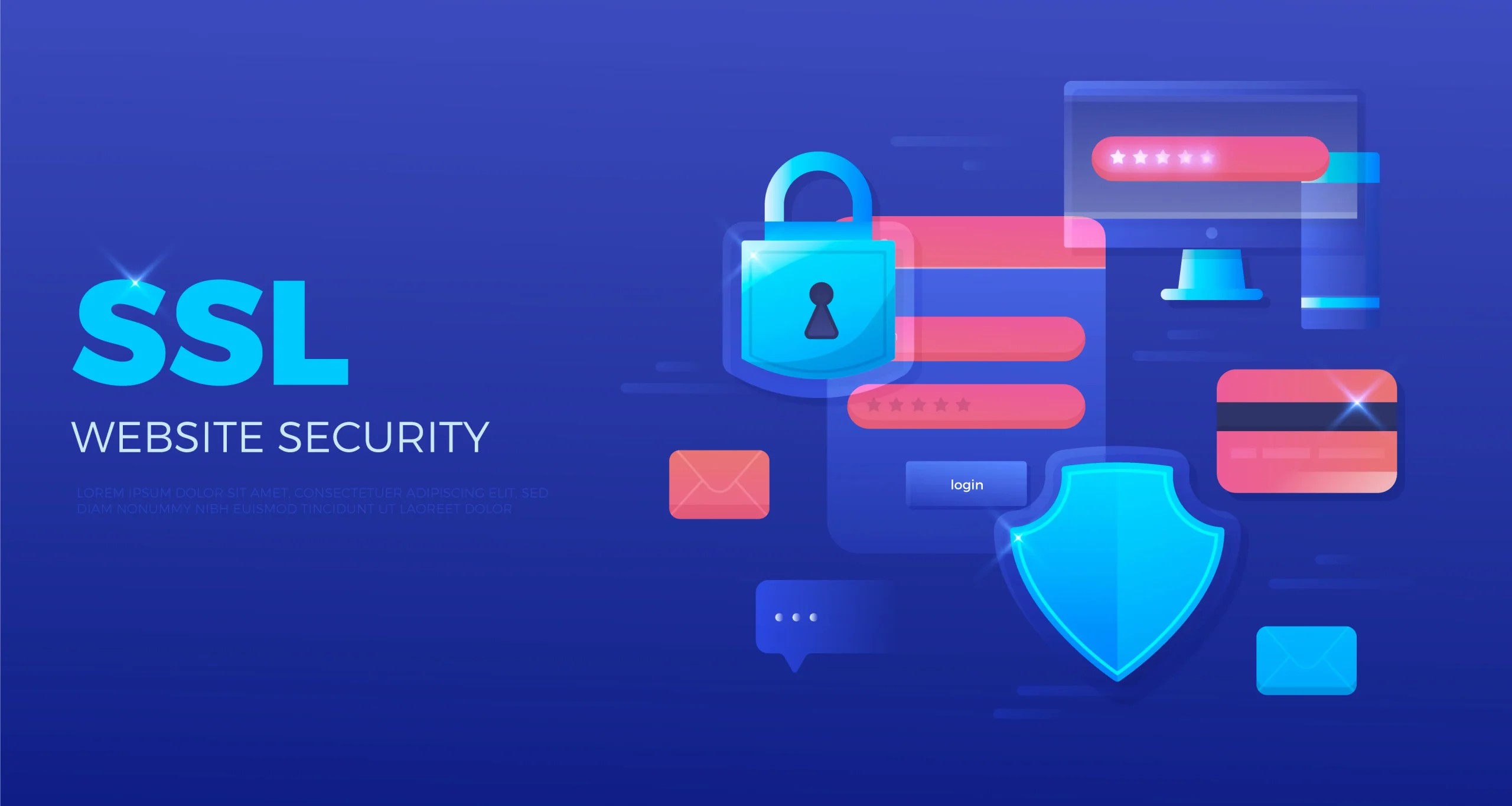
SSL security certificates are a core part of modern website security.
They encrypt the connection between your website and visitors, and they help prove that users are talking to the real site, not an attacker
What Is an SSL / TLS Certificate?
An SSL (now called TLS) certificate is a digital file installed on your web server.
It contains a public key and identity information that browsers use to create a secure, encrypted connection.
When a visitor opens your site with HTTPS, the browser checks the certificate and sets up a secure channel.
This protects login details, forms, payments, and any sensitive data from being read or changed on the way.
How SSL Certificates Work
SSL/TLS uses two main ideas: encryption and authentication.
Encryption hides the data in transit so only the browser and server can read it
Authentication helps confirm that the website really belongs to the domain in the address bar.
Certificates are issued and signed by trusted Certificate Authorities (CAs) that browsers recognize.
If something is wrong (expired, fake, or misconfigured), the browser shows a warning.
This protects users from many phishing and man‑in‑the‑middle attacks.
Types of SSL Certificates
1. Domain Validation (DV)
DV certificates check control of the domain name, usually by email or a DNS record.
They are quick and low‑cost, and they give basic encryption and padlock/HTTPS in the browser.
They are often used for blogs, small business sites, and basic informational websites.
However, they show limited identity information about the organization
2. Organization Validation (OV)
OV certificates verify both domain ownership and basic company details.
Visitors can see organization information in the certificate details.
They are suitable for company sites where trust and brand identity matter.
They provide the same encryption level as DV but stronger identity assurance.
3. Extended Validation (EV)
EV certificates require strict checks on legal existence, physical address, and company control of the domain.
They give the highest level of identity assurance for users.
They are often used by banks, payment providers, and large enterprises.
The goal is to increase user confidence for high‑risk transactions.
Why SSL Certificates Matter for Business Websites
1. Protecting Data and Users
SSL keeps login credentials, personal information, and payment data safe while they travel between browser and server.
Without encryption, attackers on the network can read or change this data.
Using HTTPS is especially important for e‑commerce, online banking, portals, and any form that collects sensitive data.
It also helps protect users on public Wi‑Fi from simple interception attacks.
2. Building Trust and Professional Image
Modern browsers show a padlock icon and “https” for secure sites.
If there is no certificate or it is broken, users see alerts that can scare them away.
A valid SSL certificate shows that the company takes security seriously.
This increases trust, reduces cart abandonment, and supports your brand image.
3. Compliance and Best Practice
Many regulations and standards expect encryption for data in transit.
Using SSL/TLS helps align with security and privacy requirements.
Security tools and audits often check for proper certificate use, expiry, and configuration.
Keeping certificates up to date is now a basic part of responsible web operations.
Managing SSL Certificates Correctly
To get full benefit from SSL/TLS, certificates must be installed and configured properly.
This includes using strong protocols and ciphers, redirecting all traffic to HTTPS, and renewing certificates before expiry.
Good practice also includes automating renewal where possible and monitoring for misconfigurations.
Regular checks help avoid downtime, warnings, and security gaps.
Table: SSL Security Certificates – Key Points
| Area | Role and main idea |
|---|---|
| Encryption | Protects data between browser and server so others cannot read it. |
| Authentication | Proves the website really belongs to the shown domain. |
| DV Certificates | Basic domain‑validated SSL for encryption and padlock. |
| OV Certificates | Validate domain plus company details for higher trust. |
| EV Certificates | Strongest identity checks for high‑risk sites. |
| Browser Indicators | Padlock and HTTPS show users the connection is secure. |
| E‑Commerce Security | Essential for safe payments and online transactions. |
| Compliance & Privacy | Supports legal and policy requirements for protecting data in transit. |
| Management & Renewal | Requires correct installation, configuration, and timely renewal. |