Smart Attendance Systems
Modern Attendance and Time Tracking
Smart attendance systems are modern solutions that record employee or student presence automatically
They replace paper sheets and manual signatures with fast, accurate, and often contactless technologies.
What Are Smart Attendance Systems?
Smart attendance systems use technology to identify people and save their in/out times in a digital database.
They can work in offices, factories, schools, universities, and even remote work environments.
These systems reduce human errors, save time, and give managers real‑time reports about attendance and working hours
They also help stop fake attendance and “buddy punching” where someone signs for another person.
Main Technologies Used
1. Biometric Systems
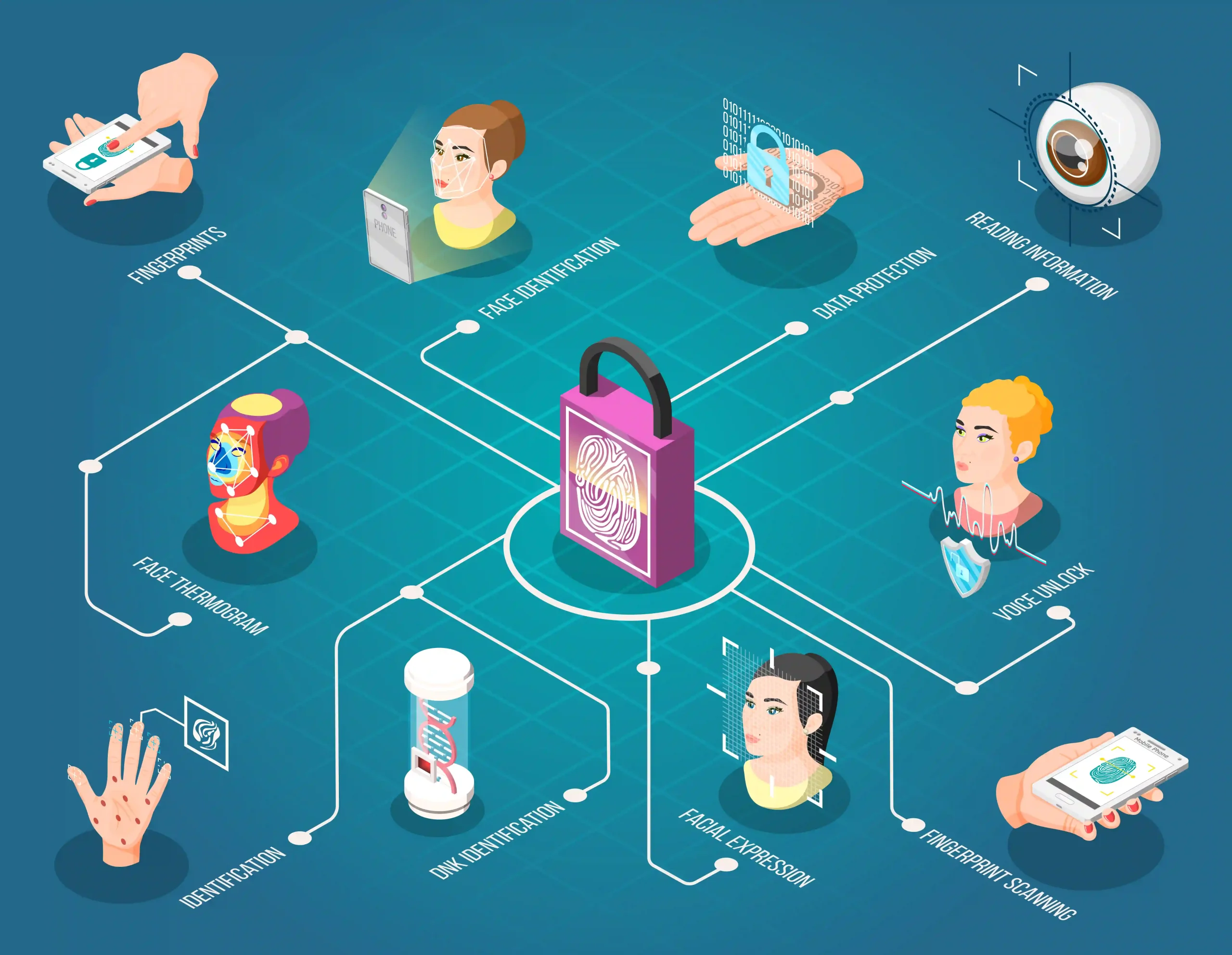
Biometric systems use unique physical features like fingerprint, face, iris, or even heartbeat
When a person comes to work or class, the system scans the biometric data and records attendance automatically.
Face recognition systems can use normal cameras in rooms or gates and match faces with a stored database.
They are popular because they are fast and contactless, which is useful in health‑sensitive situations.
2. RFID, NFC, and Cards
RFID and NFC systems use smart cards or tags that people tap or bring near a reader.
The reader sends the ID to a database, which logs the time and updates attendance records.
These systems are simple and cheap, but cards can be lost or shared, so they are sometimes combined with other checks.
They work well in schools, parking, libraries, and access‑controlled areas.
3. Mobile and Bluetooth Solutions
Some smart attendance systems use smartphones, Bluetooth beacons, or mobile apps.
When the user is in range of a beacon or Wi‑Fi zone, the app automatically records presence.
This method is useful for flexible work, remote teams, or large campuses with many buildings.
It reduces the need for fixed terminals and makes check‑in more convenient.
Key Benefits for Companies and Schools
1. Accuracy and Time Saving
Smart attendance systems remove manual writing and typing of attendance data.
This increases accuracy, reduces mistakes, and saves many hours each month for HR and teachers.
Automatic reports can show late arrivals, early departures, and overtime without extra work.
This helps in fair payroll calculations and better planning.
2. Security and Anti‑Fraud
Biometric and intelligent systems make it very hard to cheat or mark attendance for someone else.
Some solutions even detect “liveness” to stop fake photos or videos being used at cameras.
Secure digital logs also help in audits and compliance, because managers can see who entered where and when
This is important in sensitive areas like labs, data centers, and exam halls.
3. Real‑Time Monitoring and Analytics
With smart systems, managers can view attendance dashboards in real time from web or mobile apps.
They can quickly see absent staff, crowded areas, or classes with low participation.
Analytics can show patterns such as frequent late arrivals or high absence rates in certain teams or days.
These insights support better decisions about staffing, schedules, and policies.
Implementation Considerations
When choosing a smart attendance system, organizations should think about cost, scalability, integration, and user experience.
The system should connect easily with HR, payroll, or student information systems.
Privacy and data protection are also very important, especially with biometric data.
Clear policies, secure storage, and legal compliance help build trust with employees and students.
Table: Types of Smart Attendance Systems and Their Features
| Type / Technology | Main idea and typical use |
|---|---|
| Biometric (fingerprint) | Scan unique fingerprint to record attendance at terminals. |
| Biometric (face) | Use cameras and face recognition for contactless check‑in. |
| RFID / NFC cards | Tap card or tag on a reader to log entry and exit. |
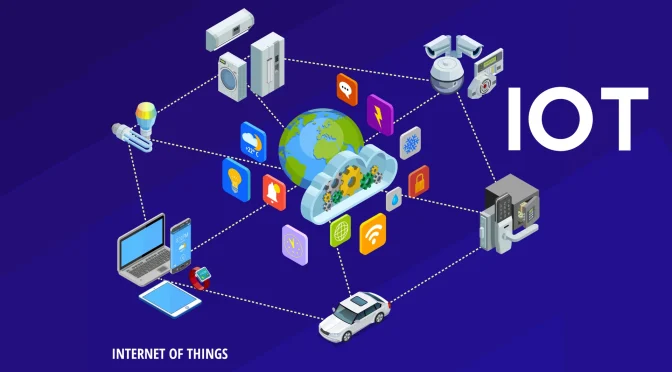
| IoT‑based systems | Use sensors, devices, and internet connectivity for smart logging |
| Bluetooth / Mobile app | Use phones and beacons to record presence automatically. |
| Web‑based portals | Allow online check‑in with location or network controls. |
| Integrated payroll | Link attendance to salary and overtime calculations |
| Analytics & reports | Provide dashboards and insights about patterns and trends. |